iPhone 18 Pro and Pro Max: Same Look, Much Bigger Changes Underneath
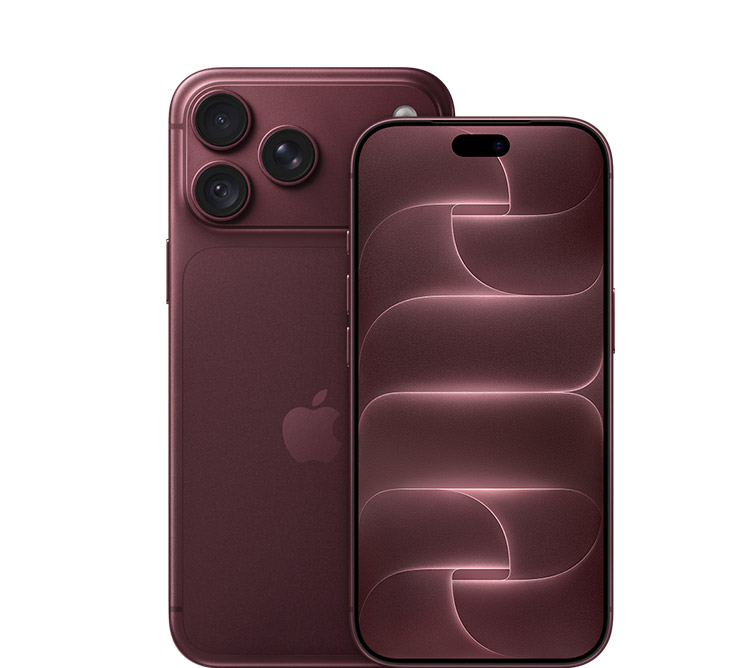
The folding iPhone Duo grabbed the headlines this year. But for most people buying a top-end iPhone, the iPhone 18 Pro and iPhone 18 Pro Max matter more.
These are the phones for people who want Apple’s best cameras, fastest performance and longest battery life, without switching to a foldable.
At first glance, not much has changed. The shape is familiar. There are 6.3-inch and 6.9-inch screens, three rear cameras and an aluminium body. Look closer, though, and this is one of the bigger technical updates in years.
The short version
The main changes are:
- A main camera with a real, moving aperture
- Apple’s first 2nm chip, the A20 Pro
- Much better cooling
- Proper manual camera controls
- Faster charging
- A smaller Dynamic Island
- Longer battery life
Prices have gone up too:
- iPhone 18 Pro: from £1,199
- iPhone 18 Pro Max: from £1,299
Both start at 256GB and go up through 512GB, 1TB and 2TB. They go on sale on 18 September 2026.
So, are they better than last year’s phones? Clearly, yes. The more useful question is whether they’re better enough to justify the higher price, especially next to the Samsung Galaxy S26 Ultra and the Google Pixel 11 Pro and Pro XL.
One important note before we start. Full independent reviews aren’t out yet. Much of what follows is based on Apple’s own figures and early hands-on reports.
Size and weight
The two phones are almost the same inside. The differences are size, screen, weight and battery.
- iPhone 18 Pro: 6.3-inch screen, 150 × 71.9 × 8.75mm, 211g
- iPhone 18 Pro Max: 6.9-inch screen, 163.4 × 78 × 8.75mm, 249g
That weight is worth pointing out.
The Pro is 5g heavier than last year. The Pro Max has jumped from about 233g to 249g. Tom’s Guide named the extra weight as one of the two biggest downsides in its early hands-on.
The likely reasons are bigger batteries, a larger cooling system and the more complex camera. In short, Apple has chosen more capability over a thinner, lighter phone.
The big upgrade: a real variable aperture
The most important change is the 48MP Fusion Main camera with a physical variable aperture.
It can switch between four settings:
- f/1.48
- f/1.8
- f/2.8
- f/4.0
It uses six real aperture blades. It doesn’t just fake the effect with software.
Why this matters
The aperture controls two things: how much light reaches the sensor, and how much of the picture is in focus.
- At f/1.48, lots of light gets in, and the background blurs naturally.
- At f/4, less light gets in, but more of the scene stays sharp.
For years, phone makers have solved these problems with software. Portrait mode blurs backgrounds artificially. Night mode and HDR stack several shots together to make up for small sensors.
The iPhone 18 Pro partly moves back the other way. It puts real, physical control back into the camera.
What photographers think
TechRadar asked a professional photographer to look at it. They called the variable aperture possibly the most important camera change in the iPhone 18 Pro. It gives you real control over aperture, shutter speed and ISO, instead of software guessing after the shot.
The professional photographers Tom’s Guide spoke to were more careful. They see real creative benefits, especially for depth of field and exposure. But they don’t expect phones to replace full-frame cameras or cinema cameras. One described a phone as a second camera that’s always with you, not a replacement for proper kit.
That’s a sensible way to see it. The iPhone’s sensor is still far smaller than one in a professional mirrorless camera, so it can’t behave in exactly the same way.
What Apple has done is bring real lens behaviour much closer to how professional cameras work. That’s a lot more than another software filter with “Pro” on it.
Samsung tried this first
Apple didn’t invent this. Samsung used a variable aperture years ago on the Galaxy S9 and S10, then dropped it.
Photographers interviewed before Apple’s launch pointed out that today’s bigger sensors could make the idea far more useful than it was back then. So Apple may simply have waited until the rest of the hardware caught up.
The rest of the cameras
Both phones have three 48MP rear cameras:
- Main: 48MP, with the new variable aperture
- Ultrawide: 48MP, 13mm equivalent
- Telephoto: 48MP tetraprism, 4x zoom (100mm equivalent), plus what Apple calls optical-quality 8x (200mm equivalent)
Digital zoom goes up to 40x.
Proper manual controls, at last
The built-in Camera app now lets you control:
- Aperture
- Shutter speed
- White balance
It also shows exposure information and a histogram.
This might matter as much as the new hardware. On earlier Pro iPhones, photographers often needed apps like Halide or Blackmagic Camera to get this level of control. Apple is finally accepting that if you pay £1,200 for a “Pro” phone, you should get real professional controls.
It only took a few years for everyone to agree that a Pro camera should let you set the shutter speed.
Front camera
Before launch, lots of rumours said the front camera would be 24MP. It isn’t.
The final camera is an 18MP Center Stage camera with autofocus, an f/1.9 aperture and automatic framing. It also supports Dual Capture, so you can record with the front and rear cameras at the same time.
It’s a good reminder not to mix rumours with final specs.
Video is still Apple’s strong point
Apple keeps treating professional video as a key selling point. The iPhone 18 Pro series supports:
- 4K Dolby Vision up to 120fps on the main camera
- ProRes and ProRes RAW
- Apple Log 2
- Academy Color Encoding System (ACES)
- Genlock
- Recording 4K 120fps ProRes to an external drive
- Four studio-quality microphones
- Spatial audio recording and Audio Mix
- Recording from two cameras at once
If you mostly film your dog or a birthday party, most of this won’t matter to you. For professional video makers, it matters a lot.
Apple’s video strength has never been one headline spec. It’s consistency: smooth exposure changes, steady footage, good colour, good sound, strong app support and an easy route into editing software like Final Cut Pro and DaVinci Resolve.
Samsung and Google now make excellent video too. But Apple’s Pro phones are still aimed squarely at people who edit their footage properly.
A20 Pro: Apple’s first 2nm chip
The new A20 Pro is one of the biggest changes inside. It has:
- A six-core CPU: two high-performance “super cores” and four efficiency cores
- A seven-core GPU
- Neural Accelerators
- Dual 16-core Neural Engines
- Hardware ray tracing
According to Tom’s Guide, Apple claims the performance cores are up to 20 per cent faster than the A19 Pro, and graphics up to 40 per cent faster.
Remember, those are Apple’s claims. Independent tests on shop-bought phones haven’t been published in full yet.
The real story isn’t that 20 is a bigger number than 19. It’s the new 2nm manufacturing process, and how it works with the new cooling system.
Better cooling for longer, harder work
Both phones have a redesigned vapour chamber. Tom’s Guide says Apple claims up to 40 per cent better sustained performance than last year’s Pro.
Here’s why that matters. A chip can hit a very high score in a short test, then slow down a lot once it gets hot. For heavy tasks, keeping speed up over time matters more than a peak score.
That makes a difference for:
- Demanding games
- Long video exports
- AI tasks
- Photo editing
- Long camera recordings
- Professional creative apps
It isn’t a glamorous upgrade, but it could be one of the most useful. Tom’s Guide’s early gaming tests were positive, including games running at up to 120fps. Longer stress tests are still needed to prove Apple’s claims.
Battery life could be the Pro Max’s biggest win
Apple’s battery figures:
- iPhone 18 Pro: up to 23 hours of typical use, 34 hours of downloaded video, 31 hours of streamed video
- iPhone 18 Pro Max: up to 29 hours of typical use, 43 hours of downloaded video, 38 hours of streamed video
These are Apple’s own test results, not independent ones. But they point the right way.
Last year’s iPhone 17 Pro Max was already brilliant for battery life. In Tom’s Guide’s standard battery test, it lasted 17 hours 54 minutes. The Galaxy S26 Ultra managed 16 hours 10 minutes.
If the 18 Pro Max clearly beats that, it could be one of the longest-lasting normal flagship phones you can buy. We’ll need independent tests to know for sure.
Faster charging
Slow charging has long been an iPhone weakness. That’s now improved.
- Wired: about 50 per cent in around 15 minutes, with a 60W or stronger USB-C charger
- MagSafe: about 50 per cent in 30 minutes, with a charger that supports 35W
That’s a real step up, though some Chinese Android brands still charge much faster.
Samsung’s Galaxy S26 Ultra supports 60W wired charging and reached 77 per cent in 30 minutes in Tom’s Guide’s testing. So Apple no longer looks slow next to Samsung. OnePlus, however, is in another league altogether.
The screen: small but welcome changes
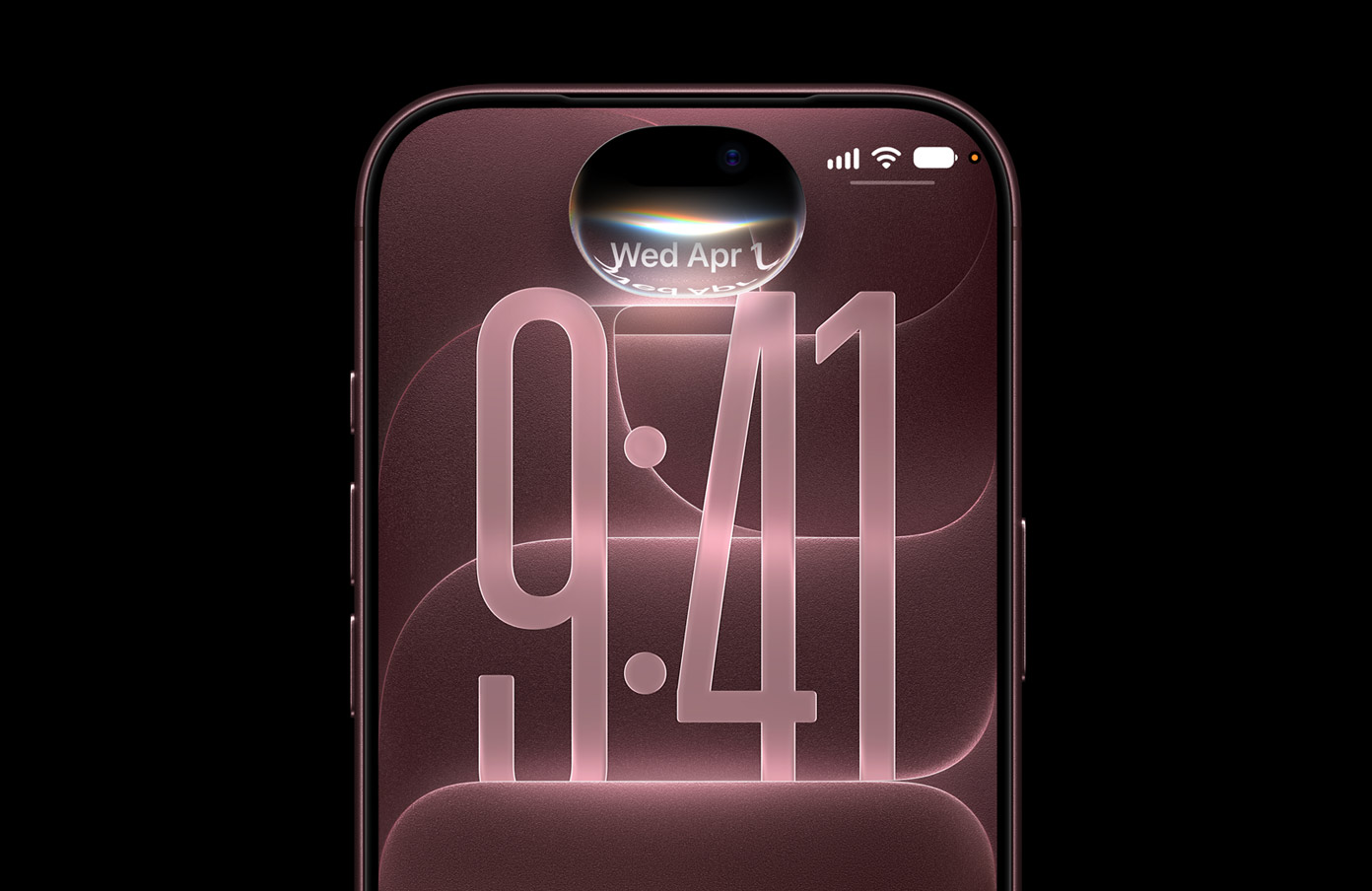
The Pro keeps a 6.3-inch OLED screen, and the Pro Max a 6.9-inch one.
The main change is a smaller Dynamic Island that can show more information. TechRadar picked this out as one of the most noticeable everyday improvements.
Otherwise, the screens are a refinement, not a big redesign.
That’s interesting next to Google. The Pixel 11 Pro has a 6.3-inch LTPO OLED screen rated at up to 3,600 nits peak brightness, and the Pro XL has a 6.8-inch version. Tom’s Guide measured very high brightness on both and called it one of Google’s biggest improvements.
So Apple won’t win just by having the brightest screen. At this point, accurate colour, good visibility outdoors, efficiency and consistency matter more than a numbers race.
Siri: much better, but Google is still ahead
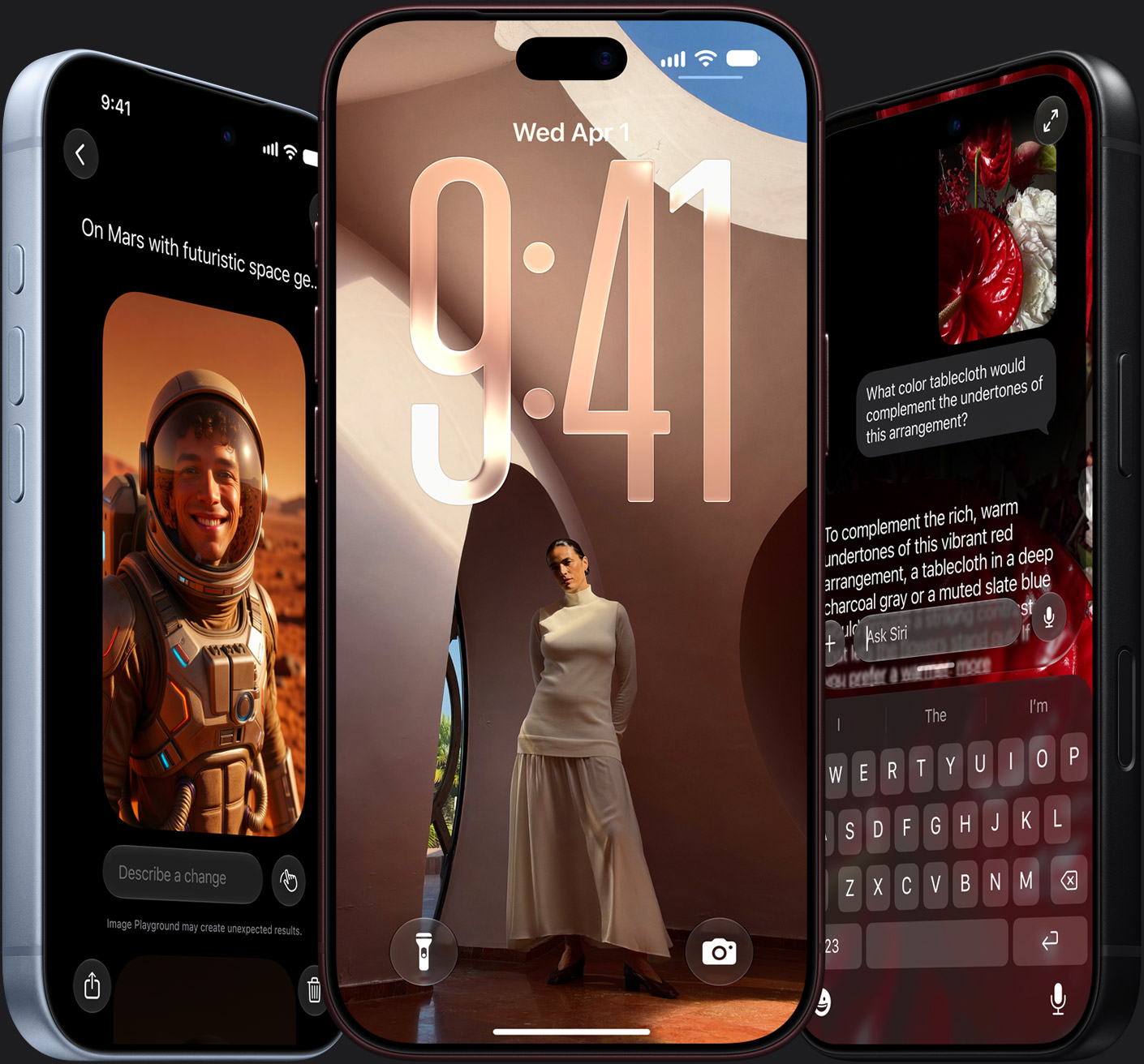
iOS 27 brings Apple’s redesigned Siri. Apple says it can:
- Understand your personal context
- Understand what’s on your screen
- Work more naturally with your apps
Tom’s Guide’s early testing was positive. Visual Intelligence spotted dates on a poster and added them to Calendar. Siri could also find personal details, such as flight information.
But the same reviewer found a clear gap. Siri still can’t hold the kind of ongoing, live visual conversation that Gemini Live can.
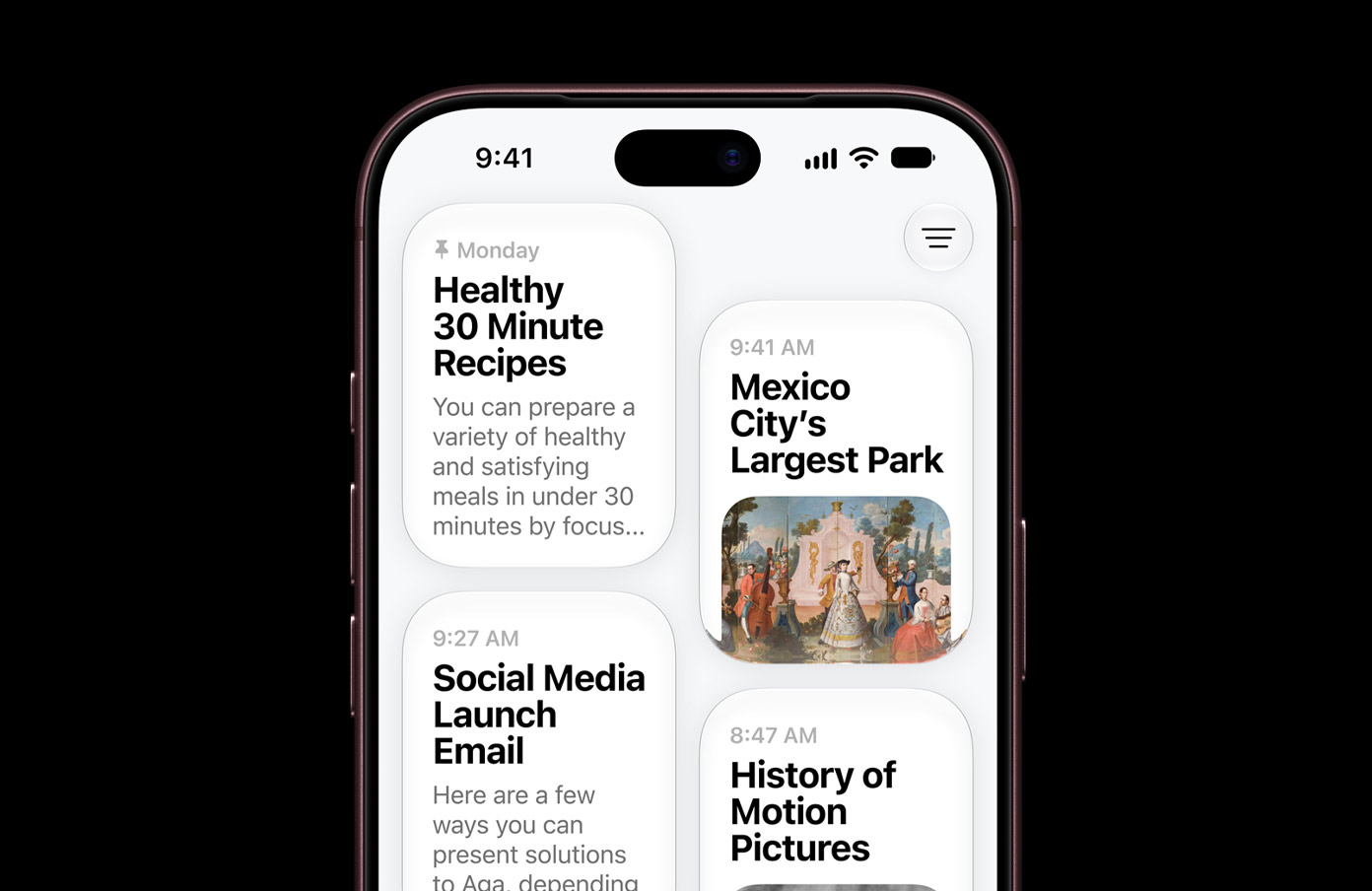
This is one of Google’s clearest advantages right now. The Pixel 11 series is built around Gemini, Live Translate, Magic Capture and AI that can take actions for you.
Apple’s approach is more closely tied to your private data and the operating system. But for conversational AI, Google is still further ahead.
iPhone 18 Pro or Pro Max?
This is an easy choice to explain, because almost everything is shared.
- Screen: 6.3in (2622 × 1206) vs 6.9in (2868 × 1320)
- Thickness: 8.75mm on both
- Weight: 211g vs 249g
- Chip: A20 Pro on both
- Cameras: identical on both
- Storage: 256GB to 2TB on both
- Typical battery life: up to 23 hours vs up to 29 hours
- Starting UK price: £1,199 vs £1,299
The Pro Max does not get a better camera. The extra £100 mainly buys you:
- A bigger screen
- Much longer battery life
- A bigger body
The catch is weight. At 249g, the Pro Max is very heavy for a normal phone.
Tom’s Guide still prefers the Pro Max, because the battery and bigger screen are worth the extra £100.
If you’re happy with big phones, that makes sense. If you often use your phone with one hand, the 18 Pro is probably the better balance.
iPhone 18 Pro Max vs Samsung Galaxy S26 Ultra
Samsung is the most direct Android rival.
The Galaxy S26 Ultra came out earlier in 2026, so it’s already been fully reviewed. Tom’s Guide calls it Samsung’s best Android phone yet. It praises:
- The Privacy Display
- Better low-light photos
- Powerful AI
- A slimmer, lighter design
- Horizon Lock video stabilisation
- Strong performance
TechRadar also calls it Samsung’s best Galaxy S phone so far, and says the Privacy Display is genuinely useful, not a gimmick.
Where Samsung wins
- More zoom options and a more flexible Android system
- The Privacy Display, which hides your screen from people beside you. Apple has nothing like it.
- A built-in S Pen
- Far more ways to customise the phone
- Broader AI features, especially with Gemini
- It’s lighter than the 249g Pro Max
- Faster charging in real use
Where Apple could win
- A20 Pro performance
- Battery efficiency
- Professional video tools
- Built-in MagSafe
- Variable-aperture photography
- How well it works with other Apple devices
- Apps that have long been optimised for iPhone
Last year’s iPhone 17 Pro Max already lasted almost two hours longer than the S26 Ultra in Tom’s Guide’s battery test. If the 18 Pro Max stretches that lead, battery life could be the deciding factor.
For cameras, Samsung is still very strong at long-distance zoom. Apple’s variable aperture offers something Samsung doesn’t focus on right now: real optical control over light and background blur.
iPhone 18 Pro vs Google Pixel 11 Pro
If you’re thinking about the smaller iPhone, the Pixel 11 Pro may be the more interesting rival.
- Price: £1,079 for the Pixel, £1,199 for the iPhone
- Screen: 6.3 inches on both
- Weight: 204g for the Pixel, 211g for the iPhone
Google’s rear cameras are:
- 50MP main
- 48MP ultrawide
- 48MP 5x telephoto
- Up to 120x Pro Zoom, using software
On paper, that gives Google more extreme zoom.
But reviews of the Pixel 11 haven’t all been glowing. Tom’s Guide praises the excellent cameras, very bright screens and useful AI. It criticises the average battery life, small upgrades on last year, and Tensor G6 performance that’s still well behind Apple and Samsung.
TechRadar is much more positive. It calls the Pixel 11 Pro XL familiar but excellent to use, with very strong cameras, useful Magic Capture and smooth software.
That split tells you something. Google’s strength isn’t raw power. It’s smart software.
iPhone 18 Pro Max vs Google Pixel 11 Pro XL
The Pixel 11 Pro XL starts at £1,279, just £20 less than the iPhone 18 Pro Max. That makes this a very close comparison.
Google offers
- 6.8-inch screen
- 226g
- Tensor G6 chip
- 5,115mAh battery
- 50MP main, 48MP ultrawide and 48MP 5x telephoto cameras
- Up to 120x software zoom
- Gemini and Google’s latest AI tools
- Pixelsnap magnetic charging
Apple offers
- 6.9-inch screen
- 249g
- A20 Pro chip
- Variable-aperture main camera
- 48MP ultrawide and 48MP telephoto, with optical-quality 8x
- Professional video formats
- MagSafe
- Much stronger expected raw performance
The Pixel is about 23g lighter, which you’ll notice.
Based on past Tensor chips, Apple will almost certainly be faster, but we still need independent A20 Pro tests. Google has the better conversational AI. Apple probably still has the better setup for professional video. For photos, we’ll need proper side-by-side tests once reviewers have the iPhone.
Don’t forget the OnePlus 15
If you’re not tied to Apple or Google, there’s another phone worth a look.
The OnePlus 15 has become one of 2026’s standout phones, mostly thanks to its battery. In Tom’s Guide’s battery test it lasted 25 hours 13 minutes. Compare that with:
- iPhone 17 Pro Max: 17 hours 54 minutes
- Galaxy S26 Ultra: 16 hours 10 minutes
TechRadar rates the OnePlus 15 as one of the best Android alternatives overall, for its battery, performance and value.
This shows something important. The premium phone market isn’t just Apple versus Samsung any more. Chinese brands are pushing everyone forward on:
- Silicon-carbon batteries
- Charging speed
- Camera sensors
- Screens
- Cooling
Apple still has a huge advantage with its ecosystem. But rivals are making its hardware compromises easier to spot.
What the experts say so far
Full reviews aren’t out yet, so treat this as early opinion. Even so, some clear themes are showing.
Tom’s Guide
Impressed by:
- The variable aperture
- Better cooling
- A20 Pro performance
- Longer rated battery life
- The new Siri
Not impressed by:
- Higher prices
- Heavier phones
For now, it prefers the Pro Max, because the battery and bigger screen are worth the extra £100.
TechRadar
TechRadar’s first look focuses on the camera. It calls the variable aperture one of the strongest reasons to upgrade, and likes the new manual controls. It also praises the smaller Dynamic Island and refined design, while admitting the phones look a lot like last year’s.
Its separate piece by a professional photographer argues the variable aperture could be this generation’s most important camera upgrade, because it gives you real physical control over light and focus.
The Verge
The Verge sees the 18 Pro as a steady, traditional upgrade, launched next to Apple’s far more radical iPhone Duo. It highlights better cameras, AI and performance, but also the higher starting price.
Wired
Wired also sees the Pro phones as the safe, traditional choice in an unusual Apple line-up this year. It points to the shared A20 Pro, the advanced cameras and strong battery life, and sees the Duo as the specialist option for people who want a foldable.
The price rise matters
UK prices start at £1,199 for the Pro and £1,299 for the Pro Max. The 2TB Pro Max costs about £2,499. That’s getting close to the price of a premium laptop.
The Verge notes that rising part costs, especially memory and demand for AI chips, have pushed prices up across the whole phone industry, not just at Apple. Google and Samsung have also raised some flagship prices.
That explains the increase. It doesn’t make £2,499 any easier to swallow.
Should you upgrade?
From an iPhone 17 Pro
For most people, probably not straight away. The 17 Pro is still very capable. It already has:
- A ProMotion OLED screen
- Excellent cameras
- Strong battery life
- The A19 Pro chip
- Professional video
- Apple Intelligence
- Premium build quality
The 18 Pro’s real advantages are more specialist:
- Variable aperture
- More manual camera controls
- A20 Pro
- Better cooling
- Better battery efficiency
- Faster charging
- A smaller Dynamic Island
Keen photographers and video makers will notice these changes. Someone who mostly uses Messages, Safari, Instagram, Maps and email probably won’t.
If you have an iPhone 15 Pro or older, the jump will feel much bigger.
From an iPhone 17 Pro Max
The case is stronger here, especially if Apple’s battery claims hold up. The 18 Pro Max adds:
- A bigger expected battery
- Much longer Apple-rated battery life
- A20 Pro
- Better cooling
- Variable-aperture main camera
- Better manual camera controls
- Faster charging
But it’s also 16g heavier, at 249g. For something you hold for hours every day, 16g isn’t nothing.
If you’re happy with your 17 Pro Max, there’s no real need to upgrade after one year. If you have an iPhone 14 Pro Max, 15 Pro Max or older, the 18 Pro Max is far more tempting.
iPhone 18 Pro or iPhone Duo?
This year, Apple is competing with itself.
The Duo costs £1,999. That’s about £800 more than the 18 Pro, and £700 more than the 18 Pro Max.
The Duo gives you the folding screen and a tablet-sized workspace. But the normal Pro phones give you things the Duo doesn’t:
- A dedicated telephoto camera
- Face ID
- Fuller professional camera controls
- Better battery ratings in normal use
- A simpler, tougher design
- A much lower price
Tom’s Guide currently recommends the iPhone 18 Pro Max over the Duo for most high-end buyers. It says the Pro Max has the best mix of performance, cameras, battery life and reliability.
That’s hard to argue with, unless the folding screen is the main reason you’re buying.
If you want to know more about the Duo, read our full article: iPhone Duo: Apple’s First Foldable Is Late, Expensive and Might Still Change Everything.
Where the iPhone 18 Pro looks strongest
- Camera control: the variable aperture, plus shutter speed, white balance and histogram controls, finally gives the built-in Camera app real professional depth.
- Video: ProRes RAW, Log 2, genlock and Apple’s wider professional tools are still very strong.
- Performance: the A20 Pro and bigger vapour chamber could make these the best phones yet for keeping speed up under heavy use.
- Battery: Apple is promising a big step forward, especially on the Pro Max.
- MagSafe: Apple’s magnetic accessories are more developed than most Android options.
- Ecosystem: working smoothly with a Mac, Apple Watch, AirPods, iPad, iCloud and AirDrop is still very hard for rivals to copy.
Where rivals are stronger
Putting “Pro” on a phone and charging more doesn’t make it the best at everything.
Samsung is stronger for
- Flexible zoom
- The S Pen
- Windows and multitasking
- Customisation
- The Privacy Display
- AI that takes actions for you
Google is stronger for
- Conversational AI
- Gemini integration
- Software photo features
- Very long zoom
- Lighter phones
- Some context-aware AI features
OnePlus and other Chinese brands are stronger for
- Charging speed
- Battery size
- Silicon-carbon battery technology
- Hardware for the money
Apple’s advantage isn’t about winning every spec. It’s about hardware, software and ecosystem working well together.
Early verdict
The iPhone 18 Pro and Pro Max look less exciting than the iPhone Duo. But they may turn out to be the more mature products.
Apple has focused on what really matters to demanding users:
- Camera lenses
- Manual photo controls
- Cooling
- Keeping performance up over time
- Battery life
- Charging speed
The variable-aperture camera is the standout feature. Apple didn’t invent it. But the timing is different now. Sensors are bigger, photo software is far smarter, and phone video is now used for real professional work. So controlling the aperture could actually be useful, not just a line on a spec sheet.
The A20 Pro and new cooling could matter just as much for gamers and professionals. The Pro Max’s battery improvements could also stretch its lead over Samsung.
There are clear downsides too:
- The phones are expensive.
- They’re heavier, and the Pro Max is heading towards a quarter of a kilo.
- Google is still ahead on conversational AI.
- Samsung offers more flexible software and some genuinely clever features of its own.
- None of Apple’s performance or battery claims are proven until independent testing begins.
For now, here’s the simple advice:
- Choose the iPhone 18 Pro if you want a phone that’s easier to carry and use one-handed.
- Choose the iPhone 18 Pro Max if battery life, screen size, photography and professional video matter most.
Unlike the Duo, the 18 Pro series isn’t trying to reinvent the shape of a phone. It’s doing something less flashy but arguably more useful: making the traditional flagship much better at the things people actually use it for.
We’ll know for sure once full independent reviews and lab tests arrive. Until then, the iPhone 18 Pro series looks like a small step on the outside, and a big one underneath.
Images: Apple.